(317)516-7460
  service@ampvortex.com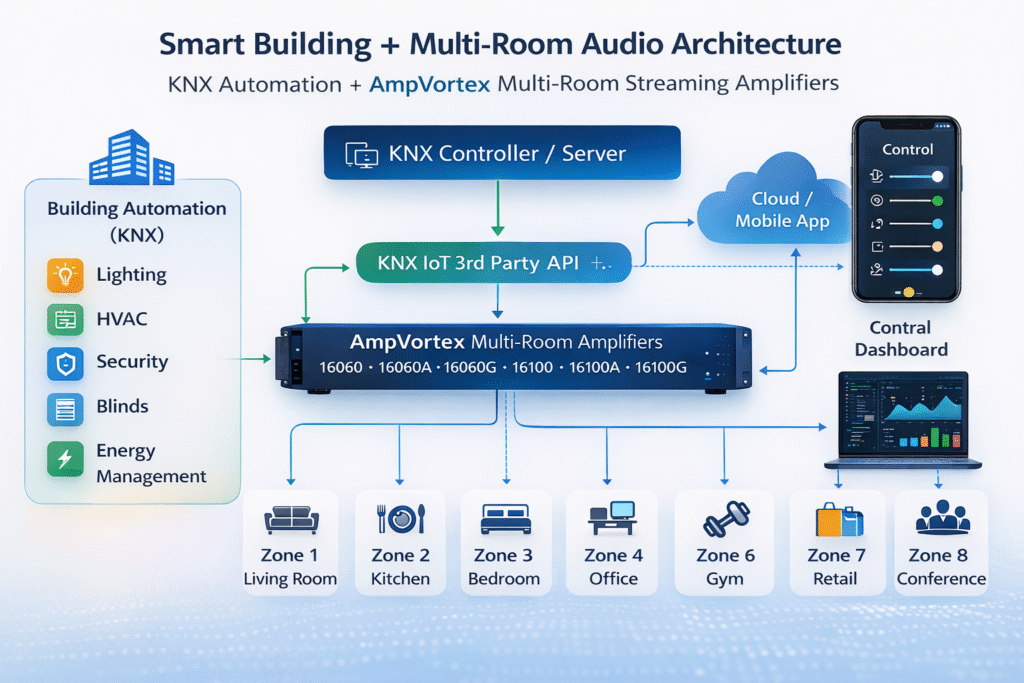
KNX vs KNX IoT: Architecture, Timeline, and the Future of IP-Based Building Automation
Building automation technologies are evolving rapidly as modern buildings become increasingly connected. Among the most influential protocols in this space is the KNX standard, which has been widely deployed in residential and commercial buildings around the world.
In recent years, the KNX ecosystem has introduced KNX IoT, a modern extension designed to integrate building automation with IP networking and cloud-based services.
Understanding the differences between traditional KNX systems and KNX IoT is essential for system integrators, manufacturers, and developers building next-generation smart buildings.
The History of KNX
The KNX protocol was officially standardized in 2002 following the merger of three European building automation technologies:
- EIB (European Installation Bus)
- BatiBUS
- EHS (European Home Systems)
These technologies were unified under the supervision of the KNX Association, creating a single open standard for building automation.
Since then, KNX has become one of the most widely deployed building automation standards worldwide, with installations in:
- office buildings
- hotels
- hospitals
- industrial facilities
- luxury homes
Traditional KNX systems rely on several communication technologies, including:
- KNX TP (twisted pair bus)
- KNX RF (wireless communication)
- KNXnet/IP (IP tunneling and routing)
These communication methods allow sensors and actuators to exchange data reliably across building automation networks.
The Rise of IoT and the Need for Change
Although KNX has proven extremely reliable, the rise of Internet technologies has transformed how devices communicate.
Modern buildings increasingly integrate:
- cloud platforms
- mobile applications
- data analytics systems
- IoT devices
These new technologies typically rely on IP-based communication and web APIs rather than traditional fieldbus protocols.
As a result, the KNX ecosystem began exploring ways to modernize its architecture to better integrate with modern networking technologies.
The Development of KNX IoT
The KNX community began formally developing the KNX IoT architecture in the late 2010s as part of its strategy to extend KNX into modern IP-based infrastructures.
Key development milestones include:
2016–2017
Initial research within the KNX community into IoT integration.
2018
Introduction of the KNX IoT concept.
2019
Development of the KNX IoT Point API specification.
2020–2021
Introduction of KNX IoT 3rd Party API for cloud and software integration.
2023 onward
Increasing adoption of KNX IoT among device manufacturers.
This development reflects the broader shift in the building automation industry toward software-driven and IP-based systems.
Traditional KNX Architecture
Traditional KNX installations are typically built around a fieldbus communication architecture.
Example structure:
Sensors
│
KNX Bus (TP)
│
Actuators
Devices communicate using KNX telegrams across the bus network.
This architecture provides:
- high reliability
- deterministic communication
- strong interoperability between vendors
However, integrating this architecture with cloud platforms and modern software systems can be complex.
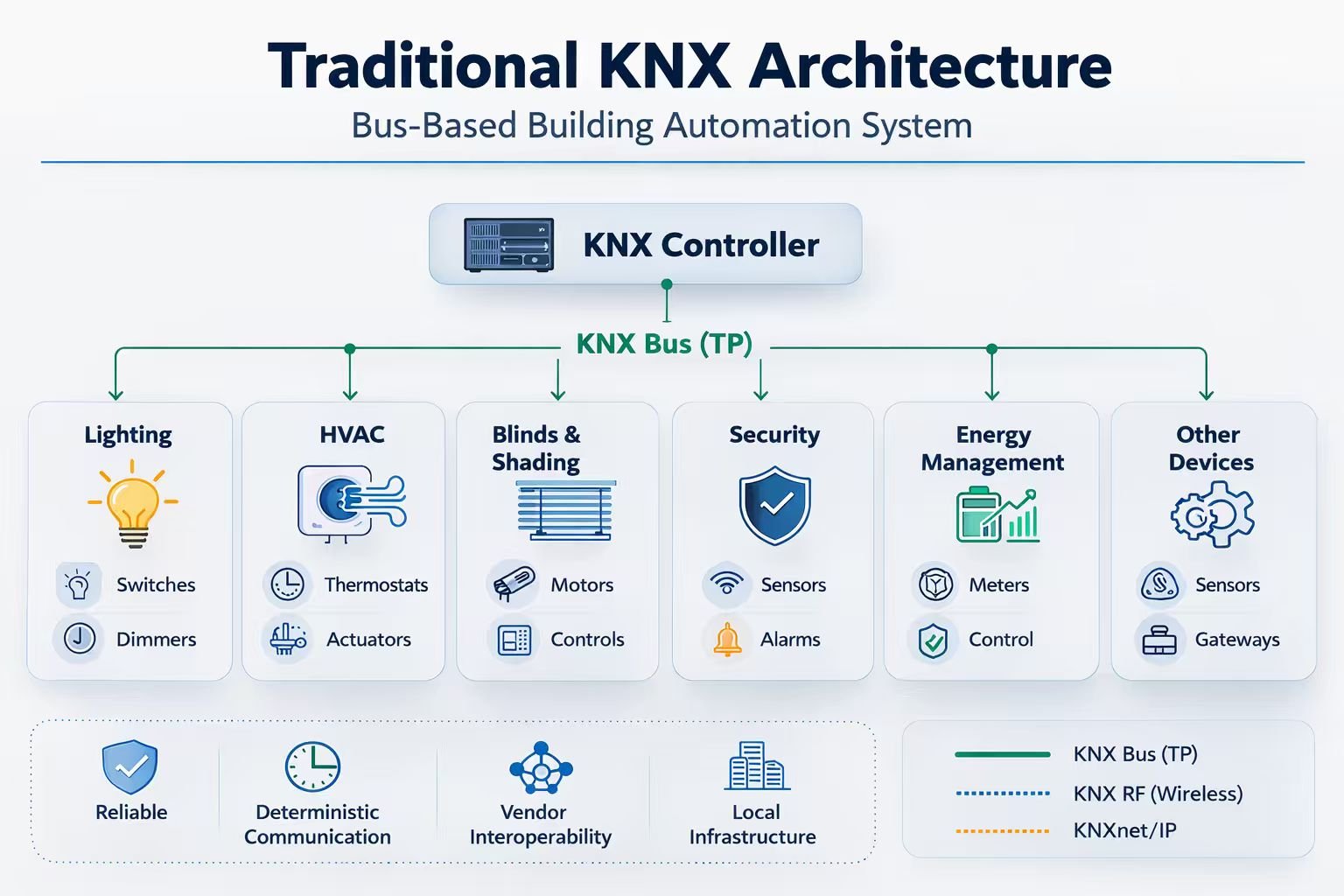
Fig1. Traditional KNX Architecture
KNX IoT Architecture
KNX IoT introduces a modern communication architecture designed for IP-based environments.
Example structure:
Cloud / Applications
│
KNX IoT
│
IP Devices
Instead of relying solely on fieldbus communication, KNX IoT devices can communicate directly over IP networks using standardized APIs.
This architecture simplifies integration with modern software platforms.
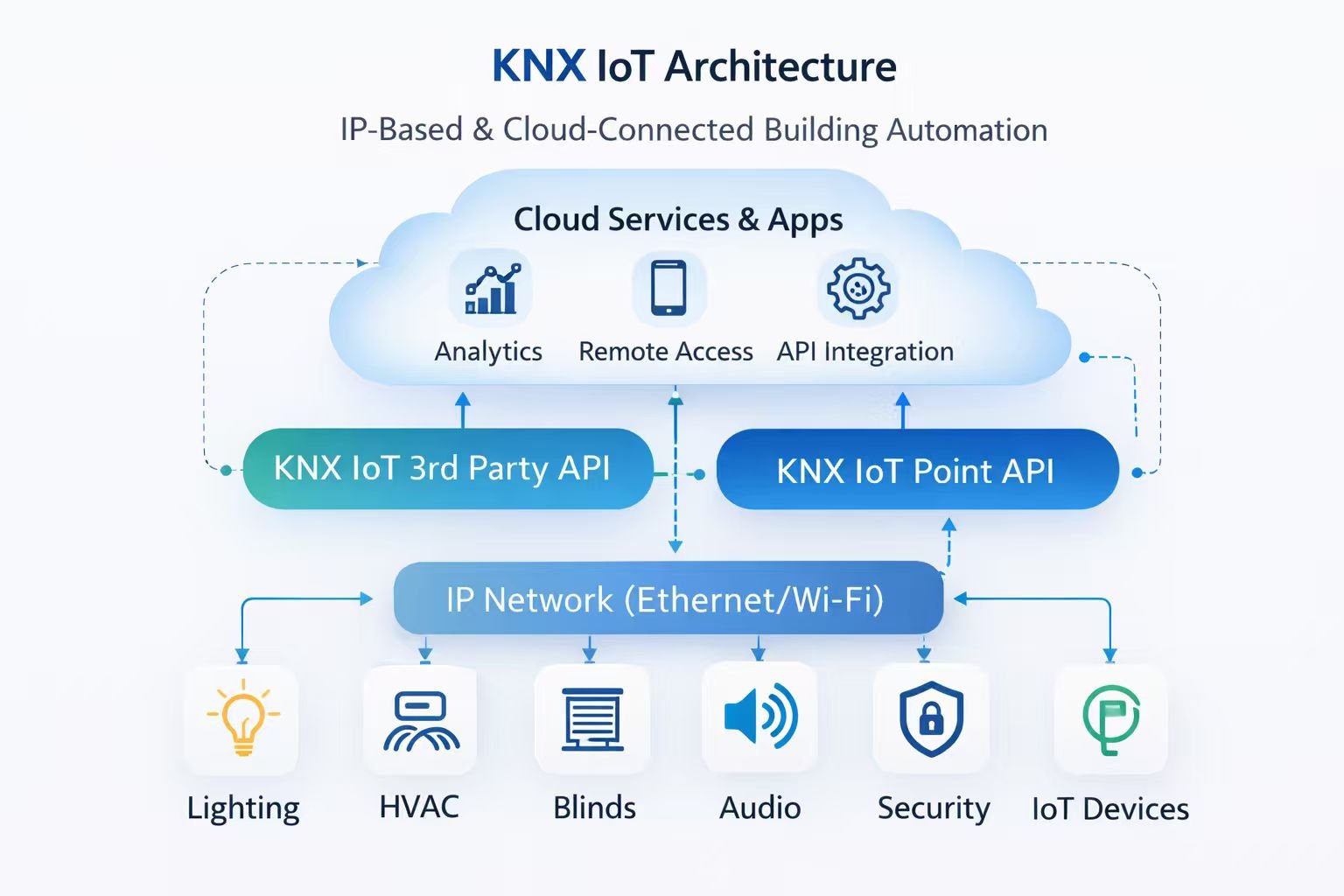
Fig.2 KNX IoT Architecture
KNX IoT APIs
KNX IoT introduces two main APIs.
KNX IoT Point API
Designed for devices such as:
- sensors
- actuators
- controllers
This API enables devices to expose data points through standardized interfaces.
KNX IoT 3rd Party API
Designed for:
- cloud platforms
- building management software
- analytics systems
This API allows external applications to interact with KNX devices.
Integration with Modern Smart Buildings
As buildings become more connected, automation systems are increasingly integrated with other technologies.
Examples include:
- energy management platforms
- occupancy analytics
- smart HVAC optimization
- distributed audio systems
These integrations require flexible networking architectures that can support both hardware devices and software platforms.
KNX IoT enables building automation systems to integrate more easily with these modern technologies.
Distributed Audio in Smart Buildings
Audio systems are increasingly becoming part of smart building infrastructure.
In environments such as:
- hotels
- restaurants
- retail stores
- office spaces
multi-room audio systems enhance user experience by distributing music across multiple zones.
Modern IP-based amplifiers enable this functionality.
Systems such as the AmpVortex multi-room streaming amplifiers allow integrators to deploy scalable audio distribution in smart building environments.
The AmpVortex product lineup includes:
These amplifiers provide high-performance multi-zone audio suitable for residential and commercial installations.
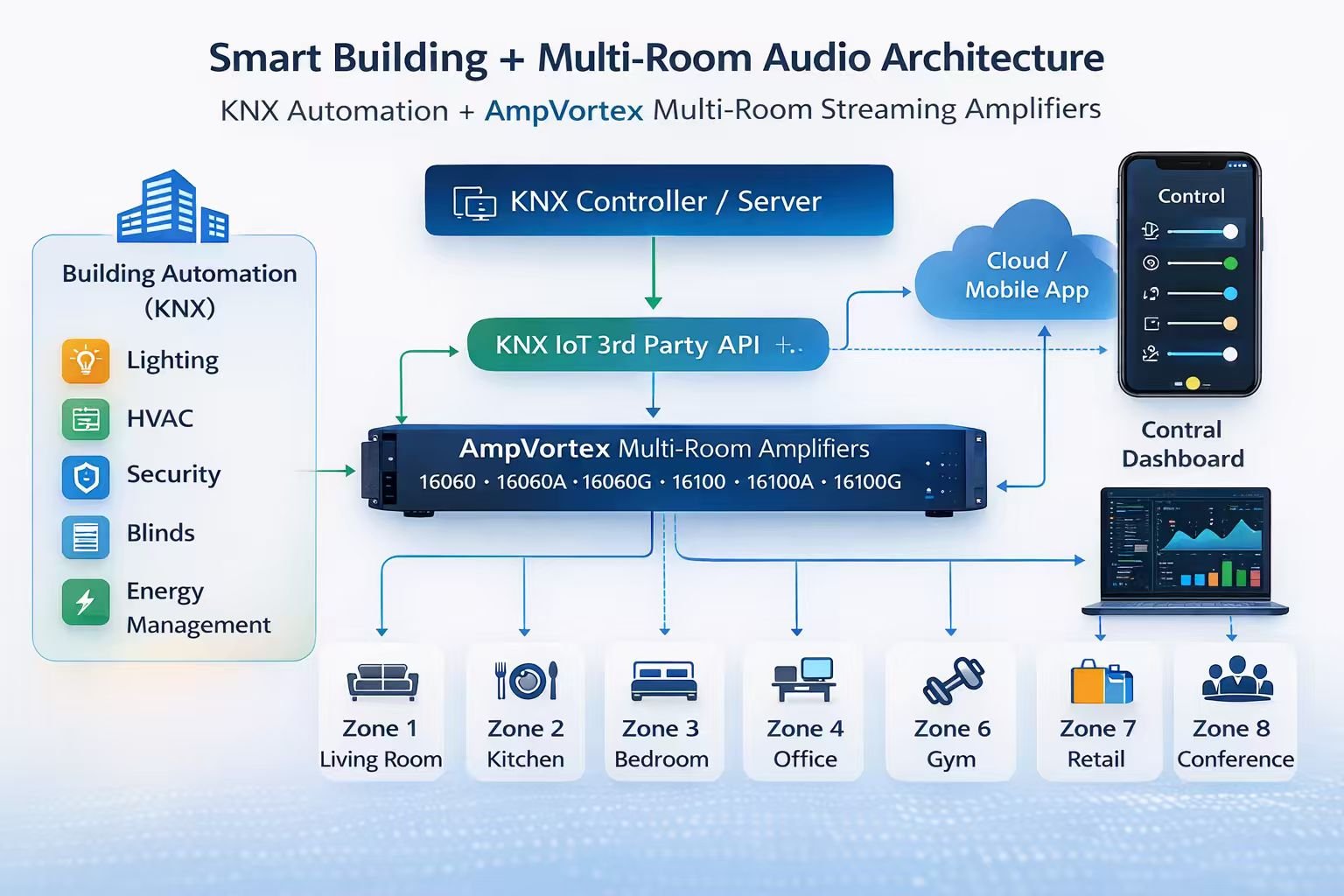
Fig3. Smart Building Multi-Room Audio Architecture
The Future of KNX and IP-Based Automation
The introduction of KNX IoT reflects the broader transformation of the building automation industry.
Rather than replacing traditional KNX infrastructure, KNX IoT extends the ecosystem to support modern IP communication and cloud integration.
In the coming years, many smart buildings will likely combine:
- traditional KNX infrastructure
- IP-based KNX IoT devices
- cloud-based analytics systems
This hybrid architecture will enable smarter, more connected buildings capable of adapting to modern technology environments.
FAQ
What is KNX IoT?
KNX IoT is an extension of the KNX building automation protocol designed for IP-based networking and modern IoT integration.
Does KNX IoT replace traditional KNX?
No. KNX IoT complements traditional KNX infrastructure and allows building automation systems to integrate with modern software platforms.
Can multi-room audio integrate with KNX systems?
Yes. Modern IP-based audio distribution systems such as AmpVortex amplifiers can integrate with building automation platforms in smart buildings.