(317)516-7460
  service@ampvortex.com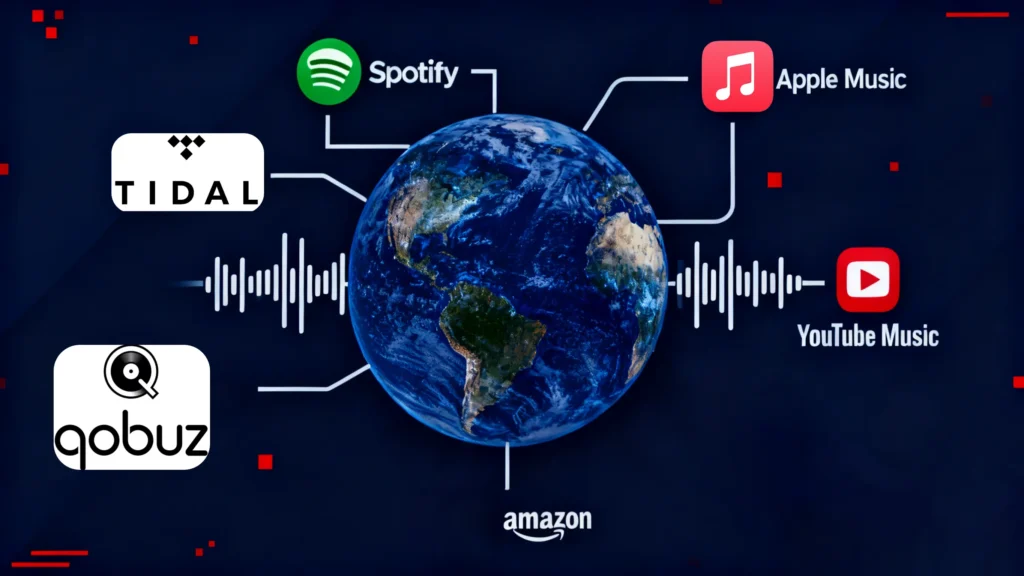
Streaming Platforms: market share, technical strengths, and what they mean for integrators
Streaming Platforms: market share, technical strengths, and what they mean for integrators
The global music-streaming market is mature but still evolving. A handful of major services dominate subscriber share while smaller, specialist platforms compete on audio quality, artist terms, or device integrations. Below I summarize the current landscape, highlight technical differences (lossless / hi-res / spatial audio / device protocols), and give practical recommendations for integrators and audiophiles.
1) Market overview — who dominates
Spotify remains the market leader (roughly ~30–33% of the global streaming market), followed by large ecosystem players such as Tencent (China), Apple Music and Amazon/YouTube Music in various markets. Spotify continues to add paid subscribers and report strong user metrics, keeping its lead in reach and platform integrations.
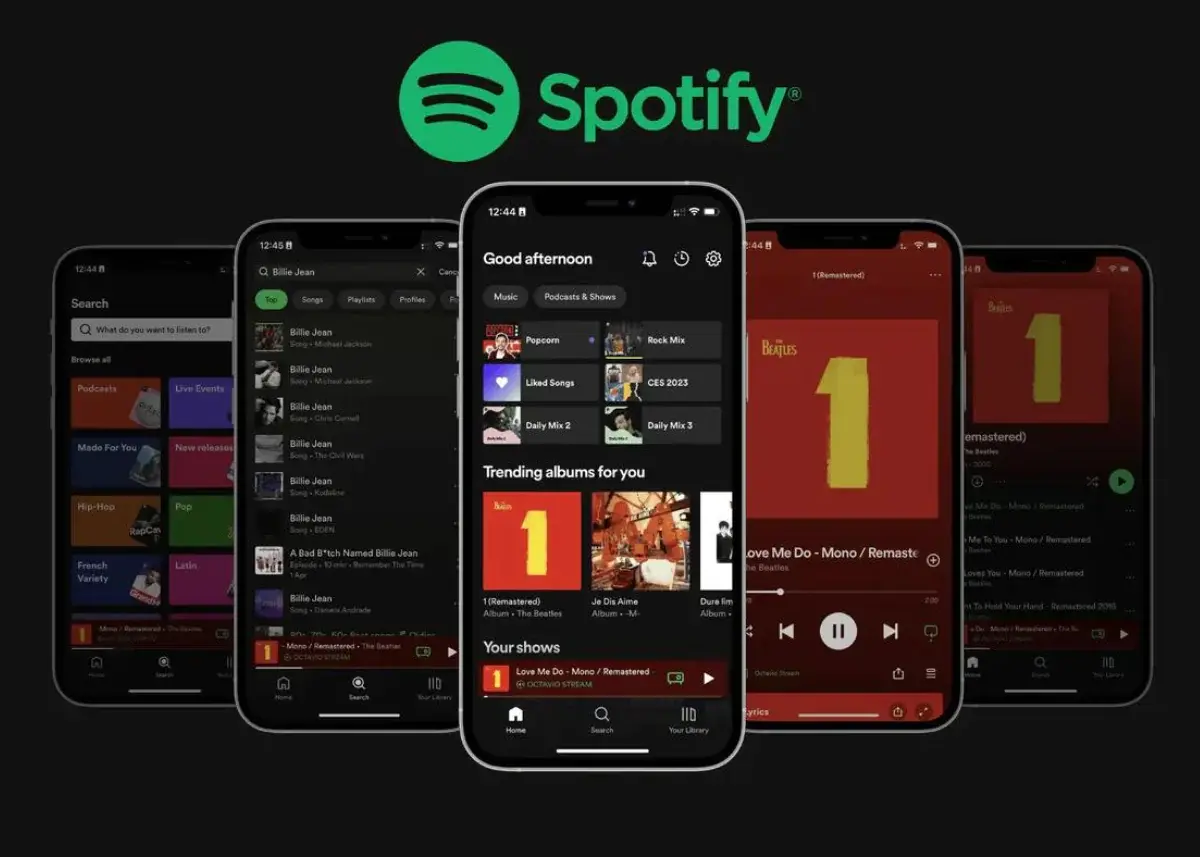
Takeaway: for reach, discovery features, and integration partners, Spotify is the safe default. Apple Music and Amazon are the next biggest channels to cover for most consumer installs.
2) The specialist tier — hi-res and audiophile services
Two services stand out for high-resolution and audiophile use:
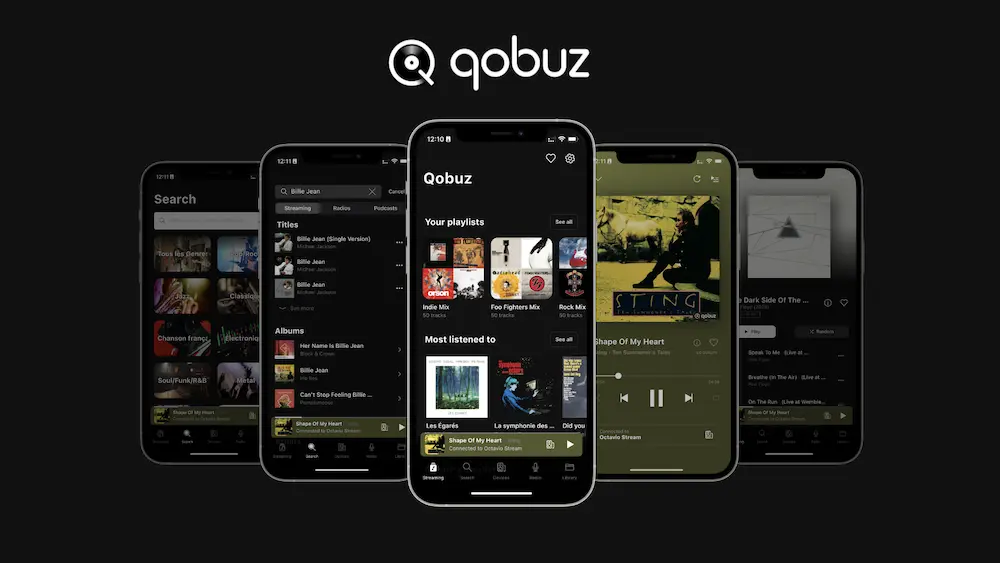
Qobuz — focuses on lossless and hi-res audio (files up to 24-bit/192 kHz and downloadable studio-quality files). Qobuz has been rolling out device integrations such as Qobuz Connect, which simplifies direct high-bandwidth streaming to compatible hi-fi devices.
TIDAL — historically known for artist-centric policies and HiFi tiers; also offers Dolby Atmos / spatial audio tracks and hardware partnerships for immersive playback. TIDAL emphasizes artist payout programs and audiophile plans (HiFi Plus).
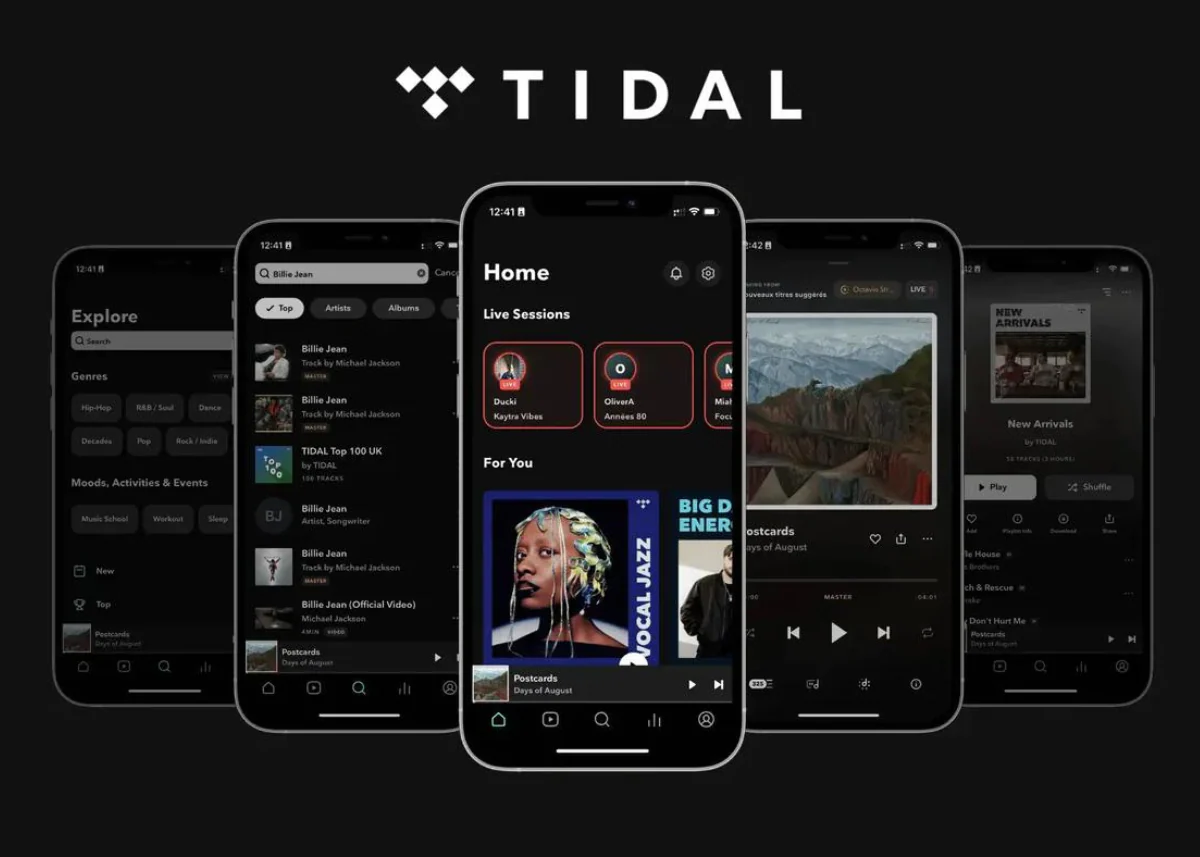
Takeaway: Qobuz and TIDAL are the platforms to prioritize when the client’s requirement is true lossless / hi-res fidelity or when “audiophile” credentials matter. They pair nicely with network streamers, Roon-compatible setups, and DACs that support 24/192 or DSD.
3) Spatial / immersive audio
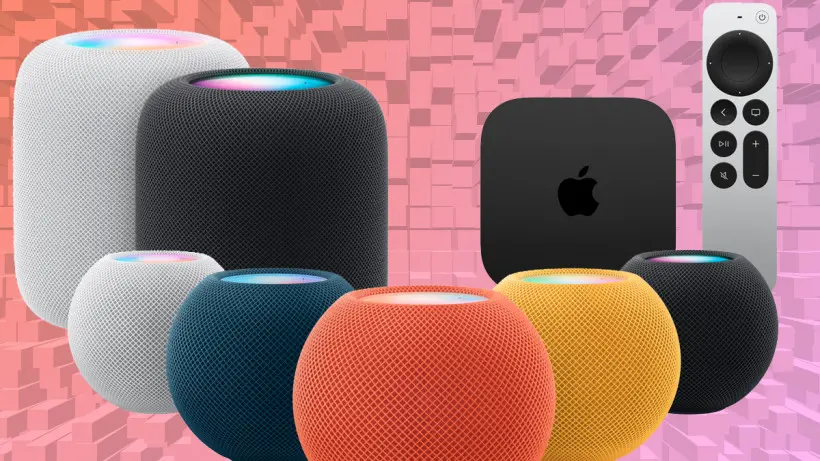
Apple Music has aggressively pushed Spatial Audio (Dolby Atmos) across its ecosystem (iPhone, iPad, Mac, HomePod, Apple TV, etc.), and provides curated Spatial/Atmos content and playlists. This deep device integration gives Apple a strong immersive-audio story.
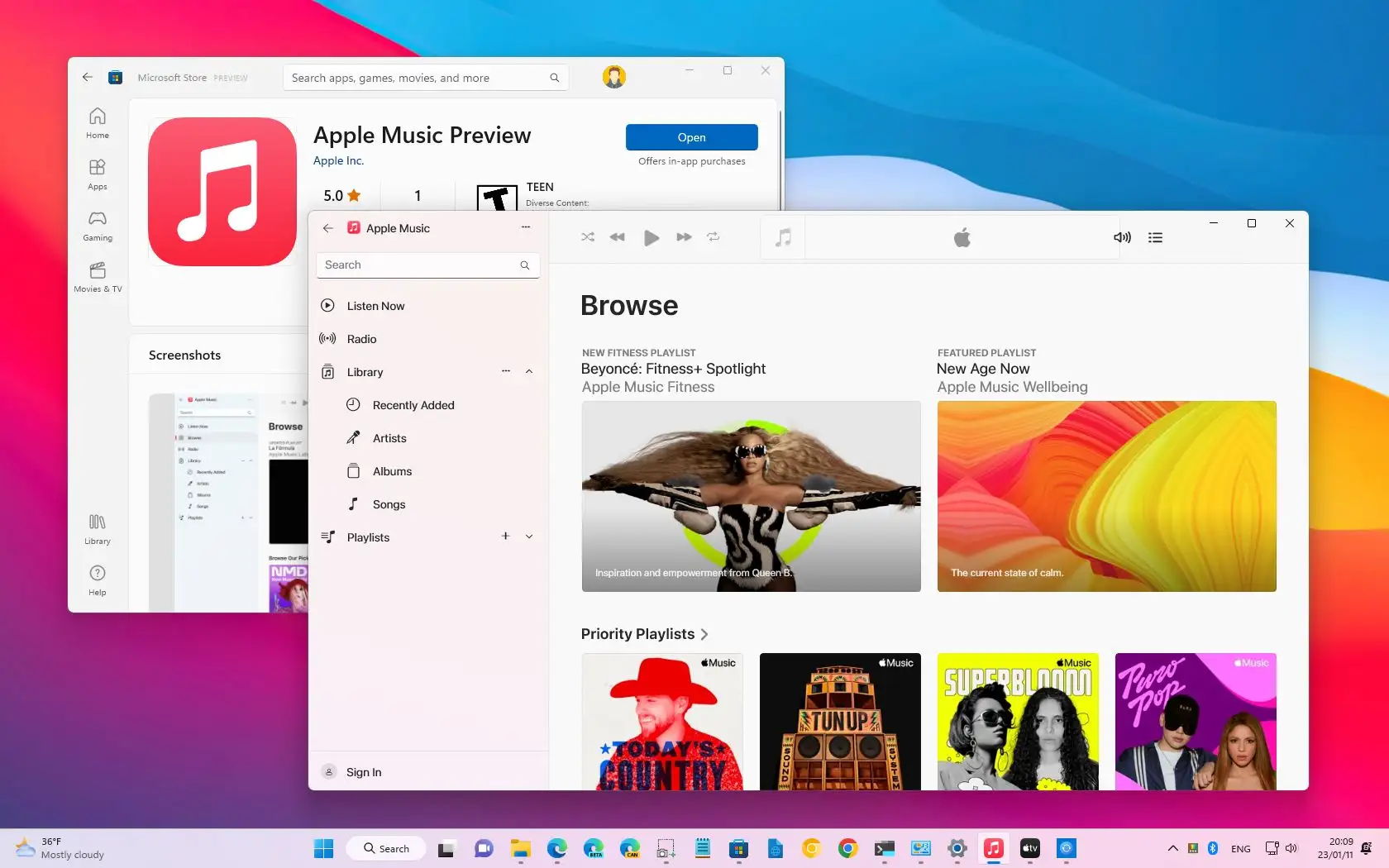
TIDAL also supports Dolby Atmos content for many devices and offers Atmos playback where supported. Implementation and device support can vary by client hardware.
Takeaway: if immersive audio (Dolby Atmos / Spatial) is a selling point for a home theater or high-end whole-home audio installation, Apple Music and TIDAL should be on your short list — but check device compatibility case-by-case.
4) Platform technical features that matter to integrators
When choosing which services to enable or recommend, consider:
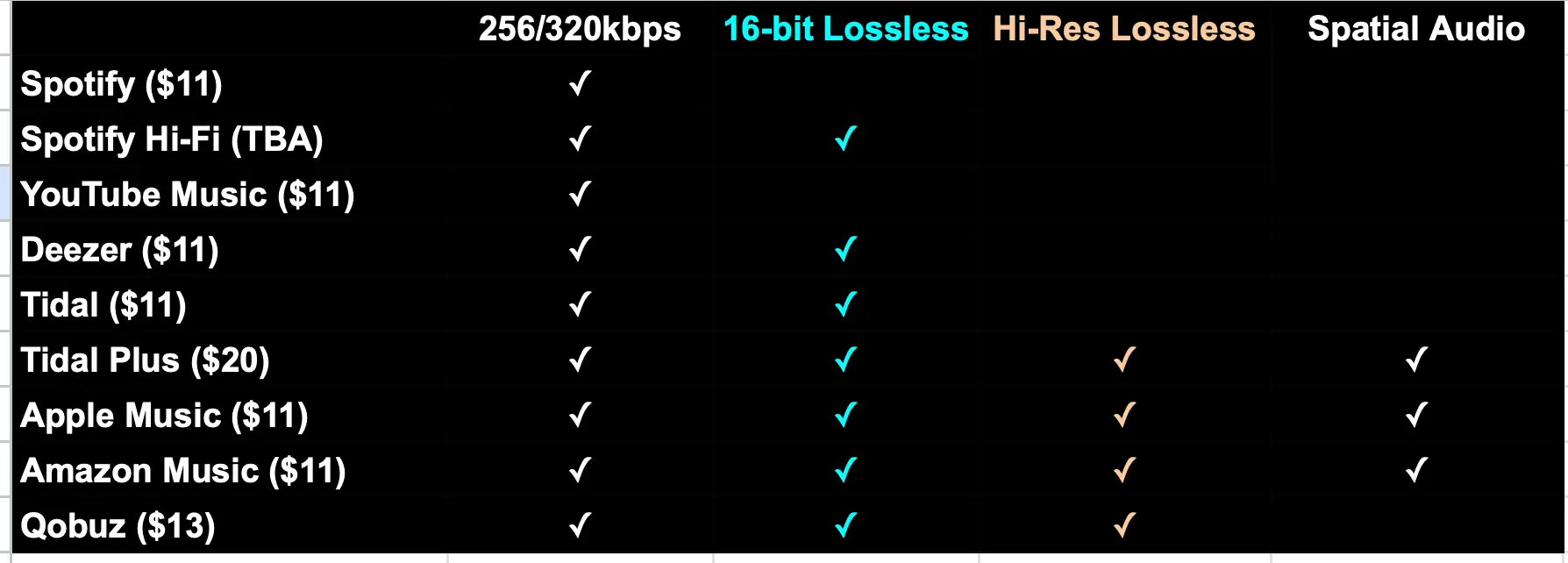
Audio formats & bitrates: Qobuz and TIDAL (HiFi/HiFi Plus) support lossless/hi-res formats; Apple Music offers spatial + lossless options; Spotify is focused on lossy/VC (and is rolling out HiFi plans cautiously).
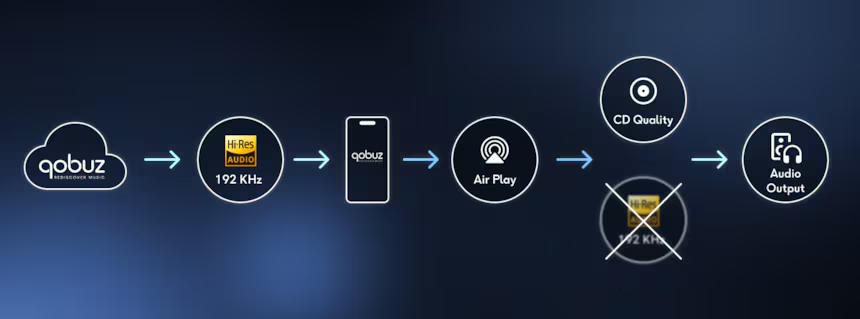
Device ecosystems / direct streaming protocols: Services that offer native device protocols (e.g., Qobuz Connect, TIDAL Connect, Spotify Connect, Apple AirPlay) simplify setup and reduce the need for third-party bridge software. Qobuz’s recent Connect launch is an important step for hi-fi direct streaming.
Catalog & editorial tools: Spotify and Apple have the largest catalogs and best editorial/discovery tooling (playlists, algorithmic recommendation). That’s important for mainstream users.
Region / licensing: Tencent Music and NetEase dominate China; regional preferences can shift which service is primary in a local install.
5) Business & artist economics (brief)
Different platforms pay artists differently, and some (TIDAL, Qobuz) market themselves on better per-stream payouts or artist programs. This can be relevant when selling to prosumers who care about supporting artists.
6) Practical recommendations for integrators
Default package (mass-market clients): enable Spotify (reach, playlist discovery), Apple Music (especially if clients use Apple devices/Spatial), and YouTube Music/Amazon depending on the household ecosystem.
Up-sell / audiophile package: offer Qobuz or TIDAL HiFi/HiFi-Plus with a dedicated network streamer or integrated amp that supports 24/192 playback + proper network buffering and a quality DAC. Promote Qobuz Connect / TIDAL Connect where available to avoid PC/Roon as a streamer proxy.
Immersive audio installs: verify client devices (AVR, soundbar, TV, Apple TV, HomePod, supported streamers) and choose Apple Music or TIDAL depending on compatibility. Test Dolby Atmos tracks end-to-end in the installed hardware.
Network & settings: for Hi-Res streaming (24/192) ensure the home network and the endpoint device can handle sustained bandwidth (use wired connections for critical endpoints). In the app, enable Hi-Res / Max Quality modes and test sample tracks to validate end-to-end fidelity.
User experience: Android and iOS apps differ. Qobuz and some niche apps may have rougher UX on some platforms — factor app polish into user training or offer a short onboarding session.
7) What to watch next
Hi-Res & Spatial adoption: as more mainstream platforms expand lossless/spatial catalogs, client expectations will rise. Apple’s and Tidal’s pushes into Spatial are accelerating adoption.
Direct device streaming: Qobuz Connect and similar features reduce friction; expect more services to support native streamer integrations.
Regional dynamics & regulation: China-specific platforms (Tencent, NetEase) and regional licensing deals will continue to shape local installs.
Short summary
Spotify leads in market share and discovery; Apple Music and Amazon/YouTube dominate within their ecosystems. For true high-resolution listening, Qobuz and TIDAL remain the best options — Qobuz for studio-grade 24/192 files and direct hi-fi integrations (Qobuz Connect), TIDAL for artist programs and growing Atmos support. Integrators should design tiered packages: a mainstream bundle (Spotify + Apple) and a premium audiophile bundle (Qobuz/TIDAL + quality streamer + wired endpoints).
While each platform advances streaming quality and accessibility, the real performance depends on the hardware that powers your music.
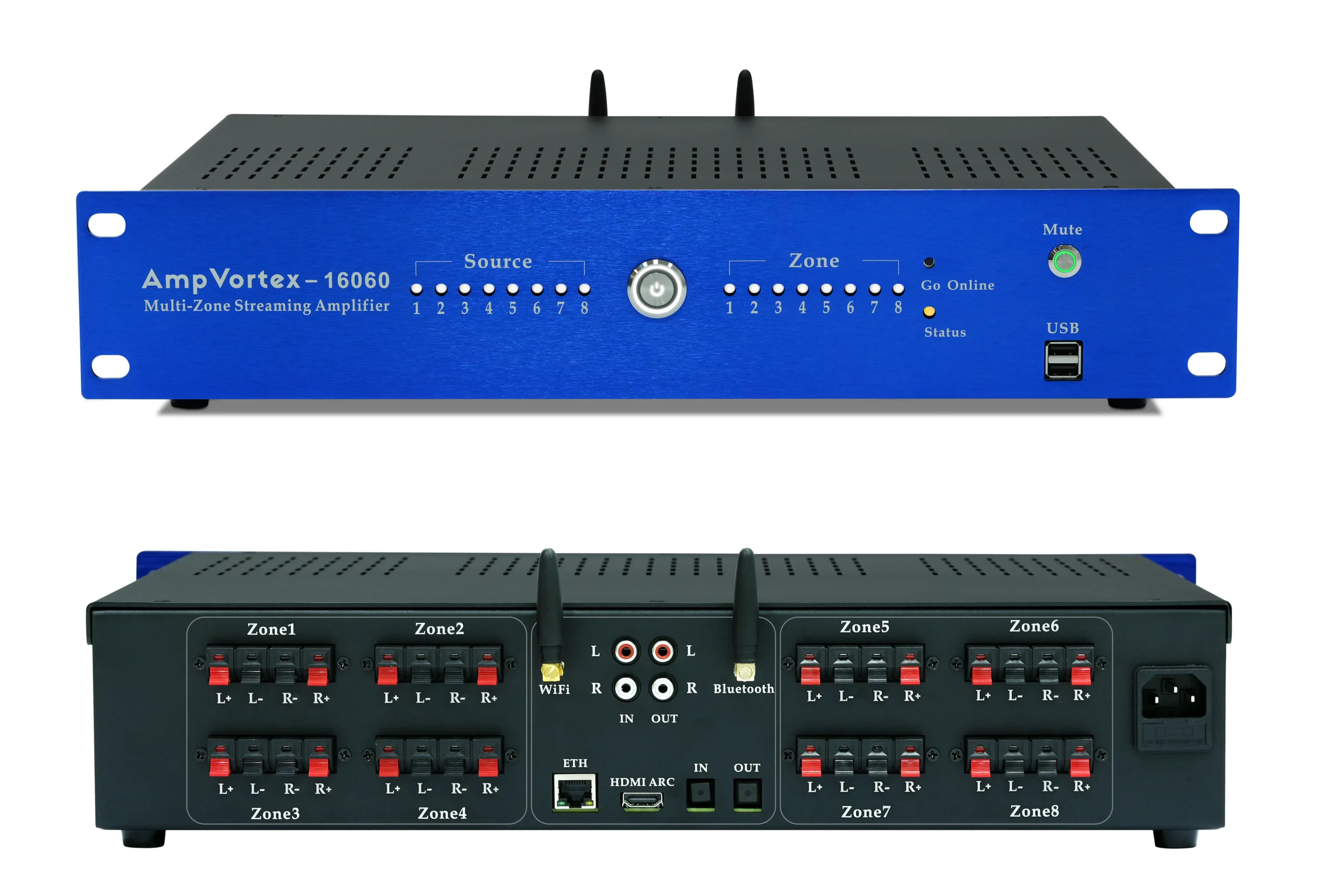
To unlock the full potential of these Hi-Res services, pair them with AmpVortex — the only multi-room streaming amplifier that supports up to 8× AirPlay 2 and 8× Spotify Connect. Combining next-generation Class-D amplification with seamless multi-zone integration, AmpVortex transforms digital sound into an authentic, room-filling experience.
If you love music — and want to hear it at its best — choose AmpVortex.
Want to learn more about audio and multi-room streaming? Visit our website: https://www.ampvortex.com/
Explore our AmpVortex product lineup, including 16060, 16060G, 16060A, and 16100, and discover how our high-performance amplifiers bring HiFi music to every room.