
 (317)516-7460
  service@ampvortex.com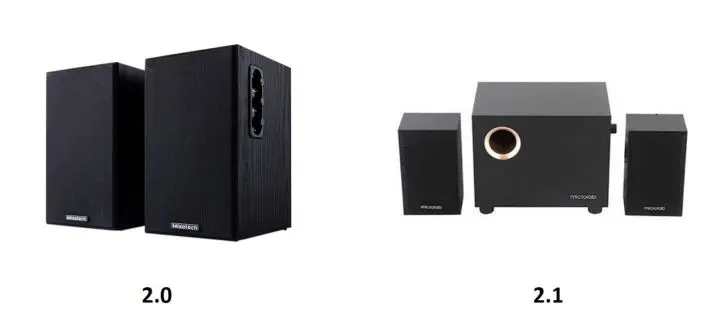
AmpVortex Extend Stereo Multi-room Streaming Amplifier to 2.1 True Stereo
AmpVortex Extend Stereo Multi-room Streaming Amplifier to 2.1 True Stereo
I used to struggle with my audio setup because none of my previous solutions supported a subwoofer. Honestly, my needs were pretty straightforward. I didn’t need 2.1 in all eight rooms, but having it in a few larger rooms really enhanced the sound quality. The smaller rooms were fine with just stereo. When I discovered AmpVortex, it was a game-changer. All four of their models offer 2.1 in four zones, while the other four remain in 2.0 stereo. My friends are so jealous!
The Advantage of 2.1 Over 2.0
The difference between 2.0 stereo and 2.1 stereo might seem subtle, but it makes a world of difference in terms of audio quality and immersion. Here’s why 2.1 is superior:
- Enhanced Bass: The addition of a subwoofer in a 2.1 setup provides deeper, richer bass. This is particularly noticeable in larger rooms where the extra bass can fill the space and create a more immersive experience. Whether you’re watching an action movie with intense explosions or listening to music with heavy basslines, the difference is palpable.
- Balanced Audio: In a 2.1 setup, the subwoofer handles the low-frequency sounds, allowing the main speakers to focus on the mid and high frequencies. This results in a more balanced and clearer audio output. The separation of bass from the main speakers reduces the strain on them, leading to better overall sound quality.
- Flexibility: AmpVortex’s 2.1 setup in four zones means you can enjoy immersive audio in your larger rooms without overcomplicating the smaller ones. This flexibility is perfect for homes with varying room sizes and usage patterns.
AmpVortex Models: A Closer Look
AmpVortex offers four models, each designed to meet different needs and preferences:
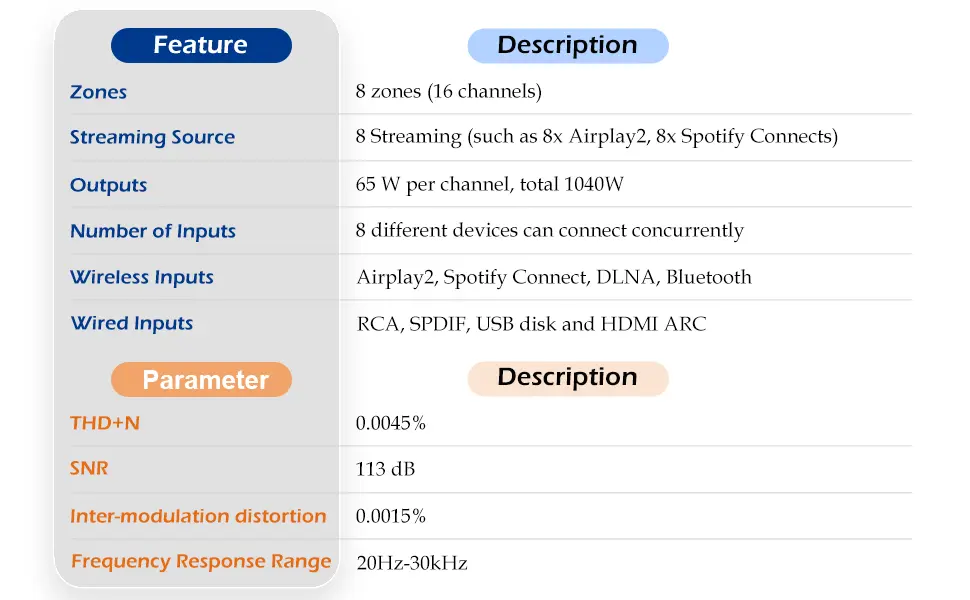
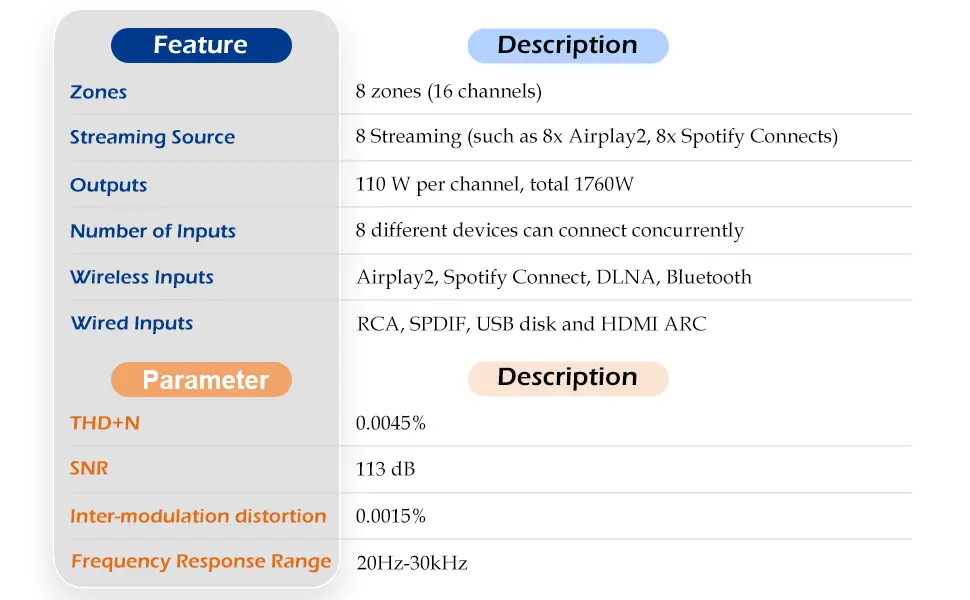
- AmpVortex-16060: This model is perfect for those looking for a robust multi-room audio solution. It supports 8 zones with 16x 65W output, making it ideal for a variety of room sizes. It also supports AirPlay2, Spotify Connect, DLNA, and Bluetooth, ensuring seamless connectivity with all your devices.
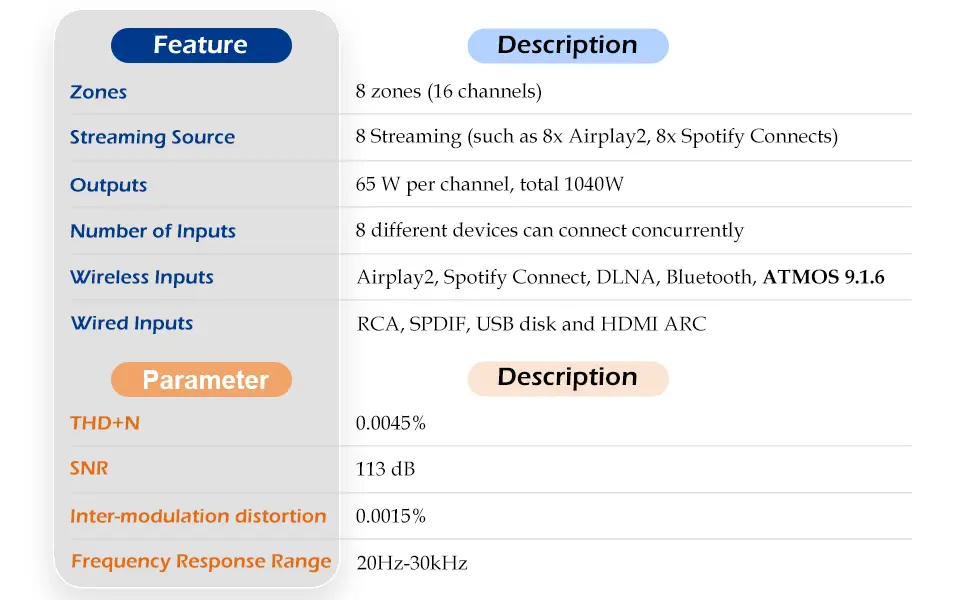
- AmpVortex-16060A (New Release): This advanced model adds ATMOS support to the mix, making it perfect for those who want to take their home audio experience to the next level. It supports 8 zones with 16x 65W output and offers all the connectivity options of the AmpVortex-16060.
- AmpVortex-16060G: This model includes GoogleCast support, making it even more versatile. It supports 8 zones with 16x 65W output and offers all the connectivity options of the AmpVortex-16060.

- AmpVortex-16100: Building on the proven foundation of the 16060, the 16100 takes performance to the next level with upgraded amplification. Delivering 16 × 110W across 8 zones, it provides the extra power that audio enthusiasts and demanding installations require. With all the same comprehensive connectivity options as the 16060, the 16100 is the ultimate choice for power lovers who want uncompromising sound quality throughout their home.
Conclusion
If you’re looking for a versatile and powerful audio solution that can cater to different room sizes and preferences, AmpVortex is definitely worth considering. It’s the perfect blend of functionality and convenience, and it has truly transformed my home audio experience. Say goodbye to the struggles of mismatched audio setups and hello to AmpVortex – your new go-to for multi-room audio.
Appendix1: The big difference between stereo 2.1 and 2.0
- Basic Concept & Diagram
2.0 System
- Setup: Two speakers (Left + Right). No subwoofer.
- Use case: Standard stereo listening (music, casual video/audio).
- Diagram:
Left Speaker—— Listener —— Right Speaker
2.1 System
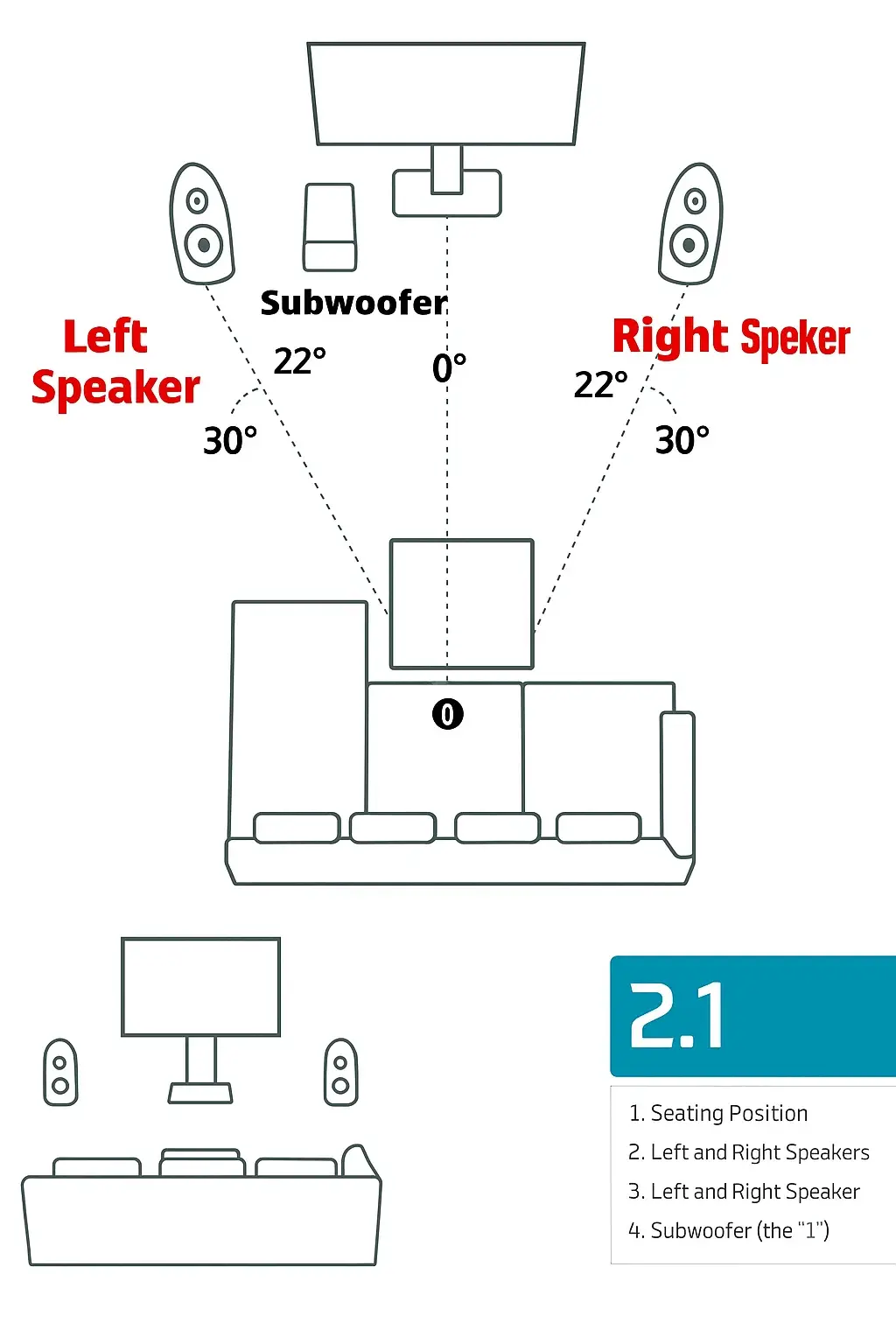
- Setup: Two speakers (Left + Right) + one subwoofer(“.1” = Low-Frequency Effects channel).
- Use case: Stronger bass for movies, games, or bass-heavy music.
- Diagram:
Left Speaker—— Listener —— Right Speaker
↓
Subwoofer
- Comparison Table
| Feature | 2.0 System | 2.1 System |
|---|---|---|
| Bass Performance | Limited; relies on main speakers | Stronger bass, handled by subwoofer |
| Mid/High Clarity | Clean, since no crossover with sub | Potentially cleaner (mains relieved of bass load) |
| Stereo Imaging | Pure left/right imaging | Subwoofer adds non-directional bass (doesn’t harm imaging) |
| Setup Complexity | Simple: just 2 speakers | More complex: subwoofer placement, crossover, phase |
| Cost/Space | Lower, less equipment | Higher, needs extra gear and room |
| Best For | Music, small rooms, casual use | Movies, gaming, bass-heavy music, larger rooms |
- Pros & Cons
Advantages of 2.1
- Deeper bass extension (20–120 Hz range).
- Sub relieves main speakers from handling deep lows.
- More impact and immersion for movies and games.
Limitations
- Harder to set up (crossover, placement, phase alignment).
- If poorly tuned, bass can sound boomy or muddy.
- Takes more space and costs more.
- A cheap 2.1 may sound worse than a good-quality 2.0.
- Listening Advice
- For music lovers(jazz, classical, vocals): A high-quality 0 is often better.
- For movies/gamesor if you want “punchy” low-end: Go for 1.
- Critical factor: The quality of the subwoofer. A well-matched sub makes 2.1 shine; a bad one ruins the sound.
Appendix2: Active Subwoofer Recommendations
Whether you’re looking to enhance your home theater setup or improve your music listening experience, an active subwoofer can make a significant difference. Here are some top recommendations based on recent reviews and expert opinions:
Line In Active Subwoofers
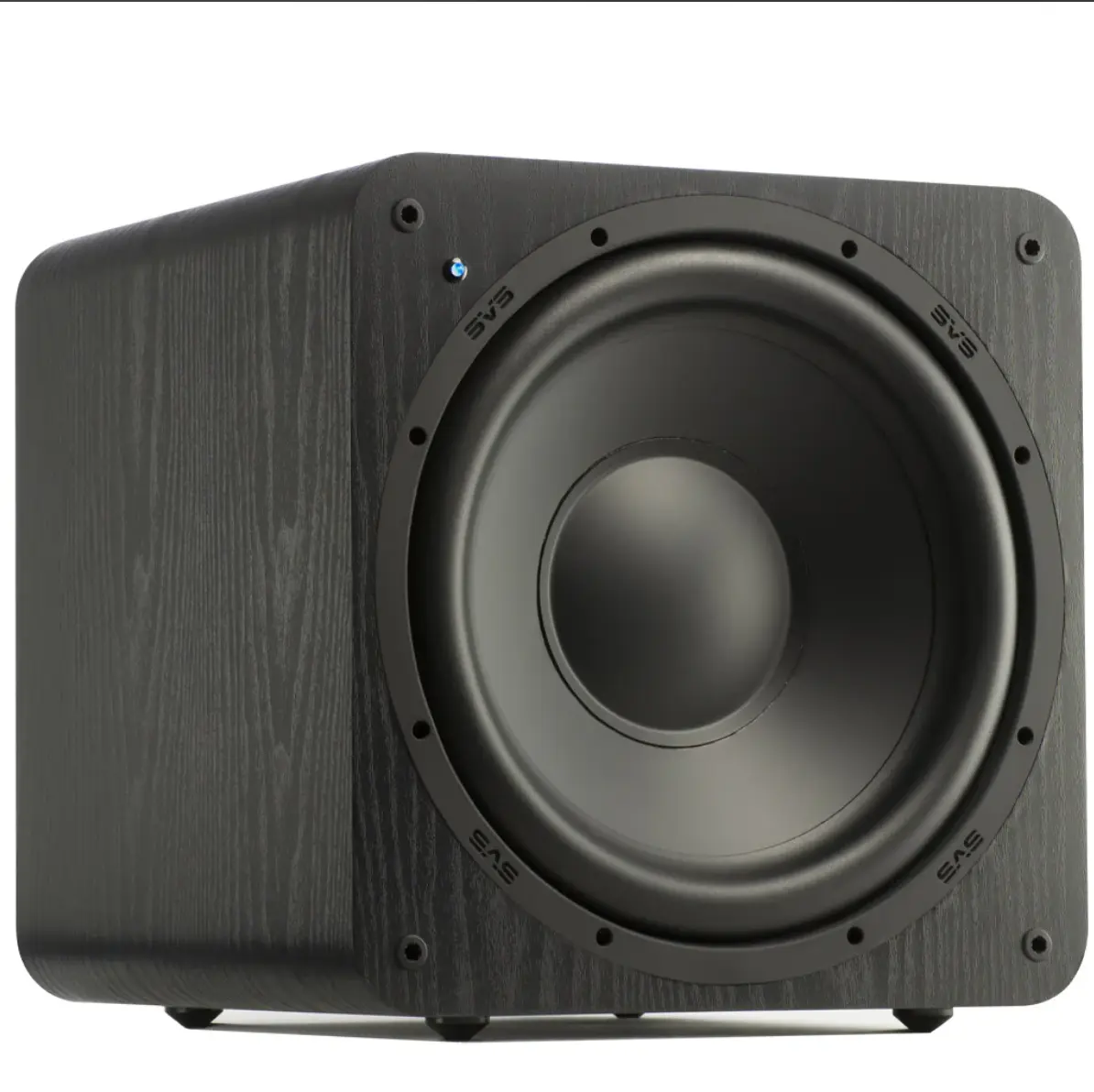
- SVS SB-1000
- Features: Supports Line In via RCA cables.
- Pros: High-quality build, powerful bass response, compact design.
- Cons: No wireless connectivity.
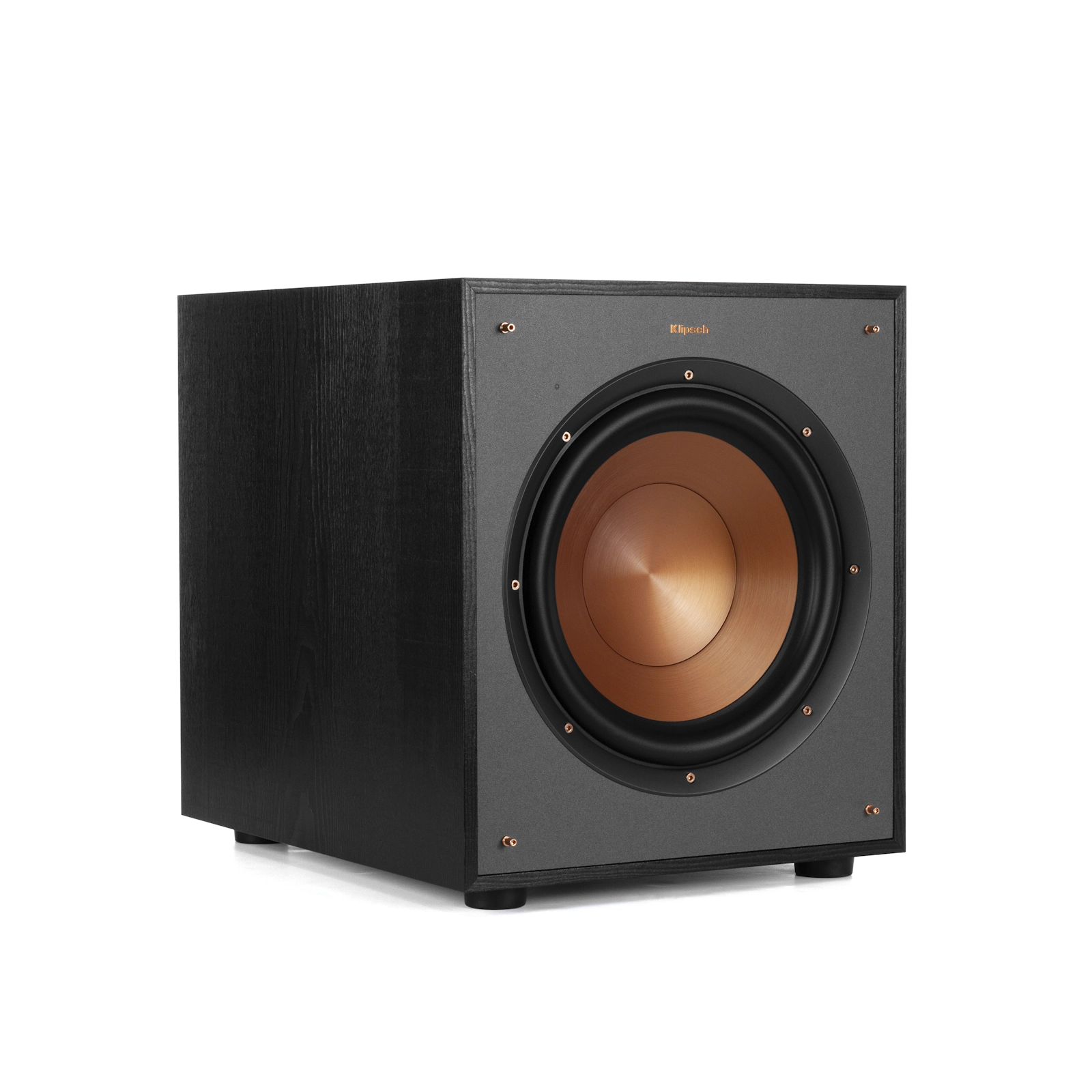
- Klipsch R100SW
- Features: Supports Line In via RCA cables.
- Pros: Affordable, good bass performance, compact size.
- Cons: Limited connectivity options.
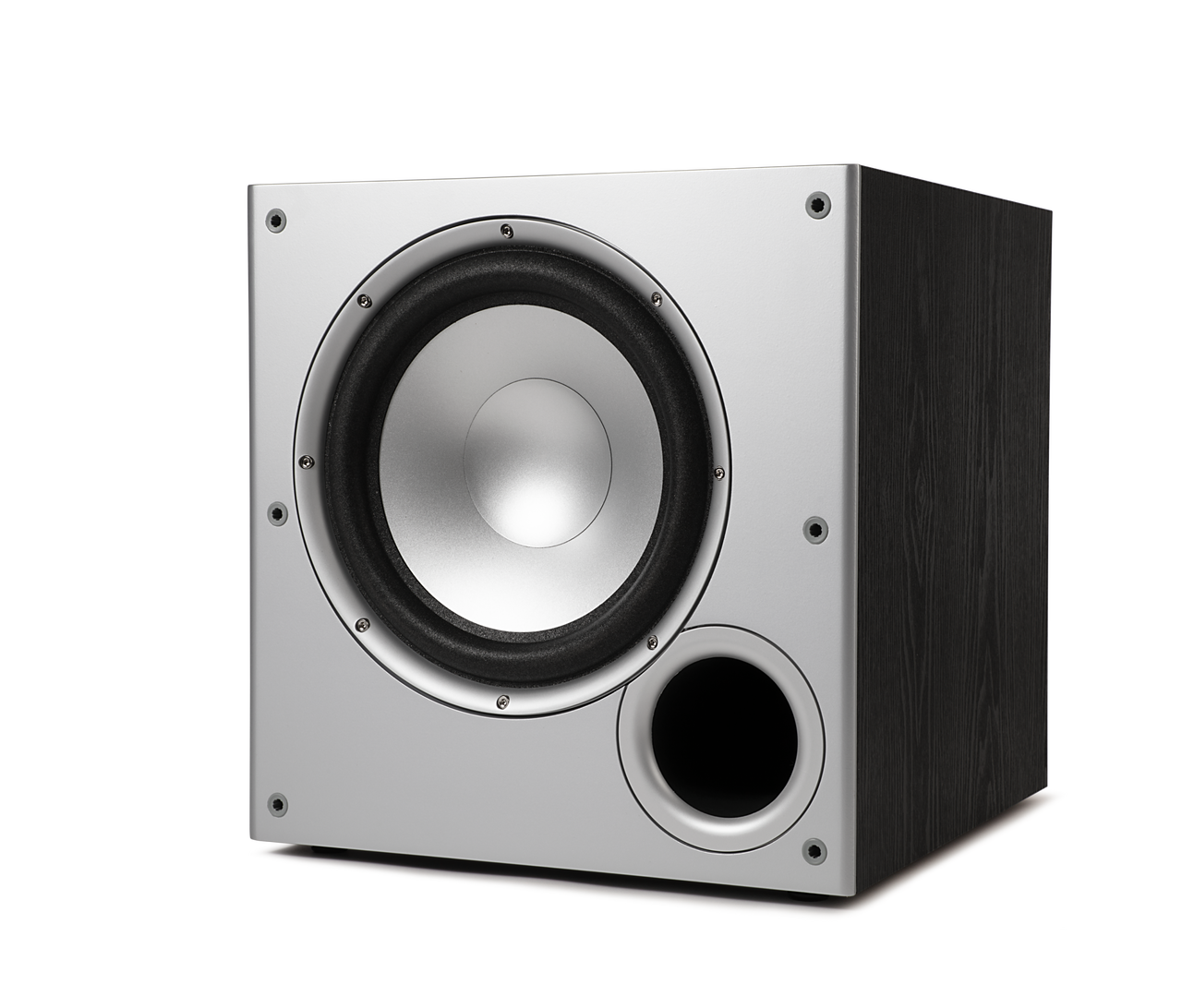
- Polk Audio PSW10
- Features: Supports Line In via RCA cables.
- Pros: Affordable, good bass response, easy to set up.
- Cons: No wireless connectivity.
SPDIF In Active Subwoofers
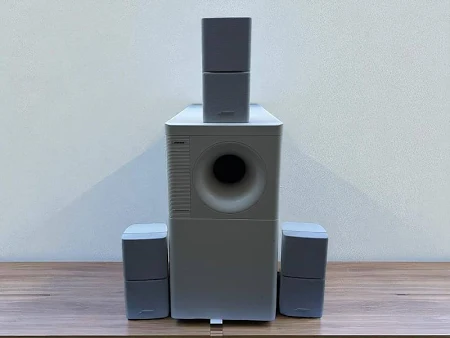
- Bose Acoustimass 7 Series
- Features: Supports SPDIF In via optical cable.
- Pros: High-quality sound, compact design, easy to integrate with home systems.
- Cons: Expensive, no Line In option.
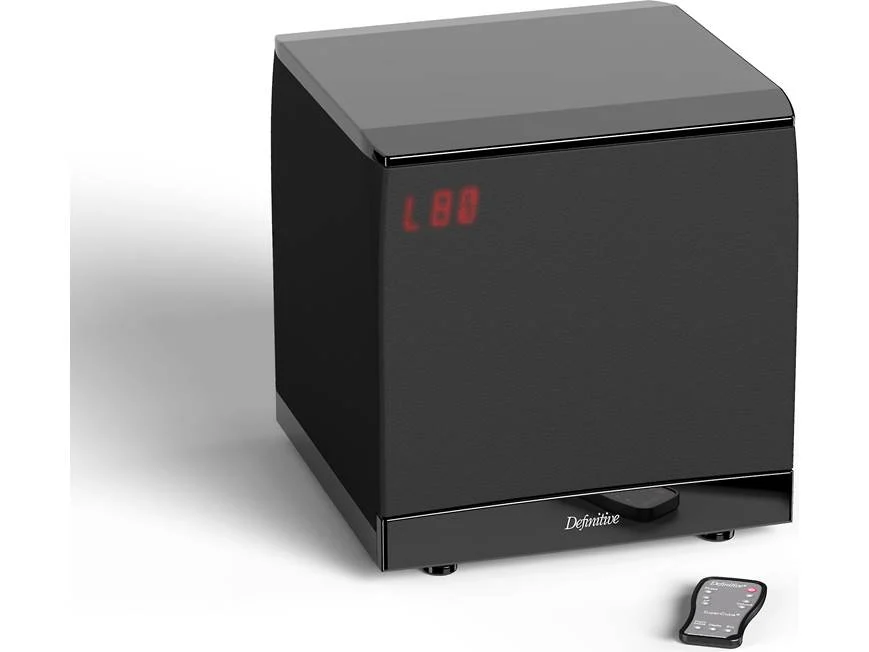
- Definitive Technology SuperCube 6000
- Features: Supports SPDIF In via optical cable.
- Pros: Powerful bass, versatile connectivity, high-quality build.
- Cons: Expensive, may require additional setup.
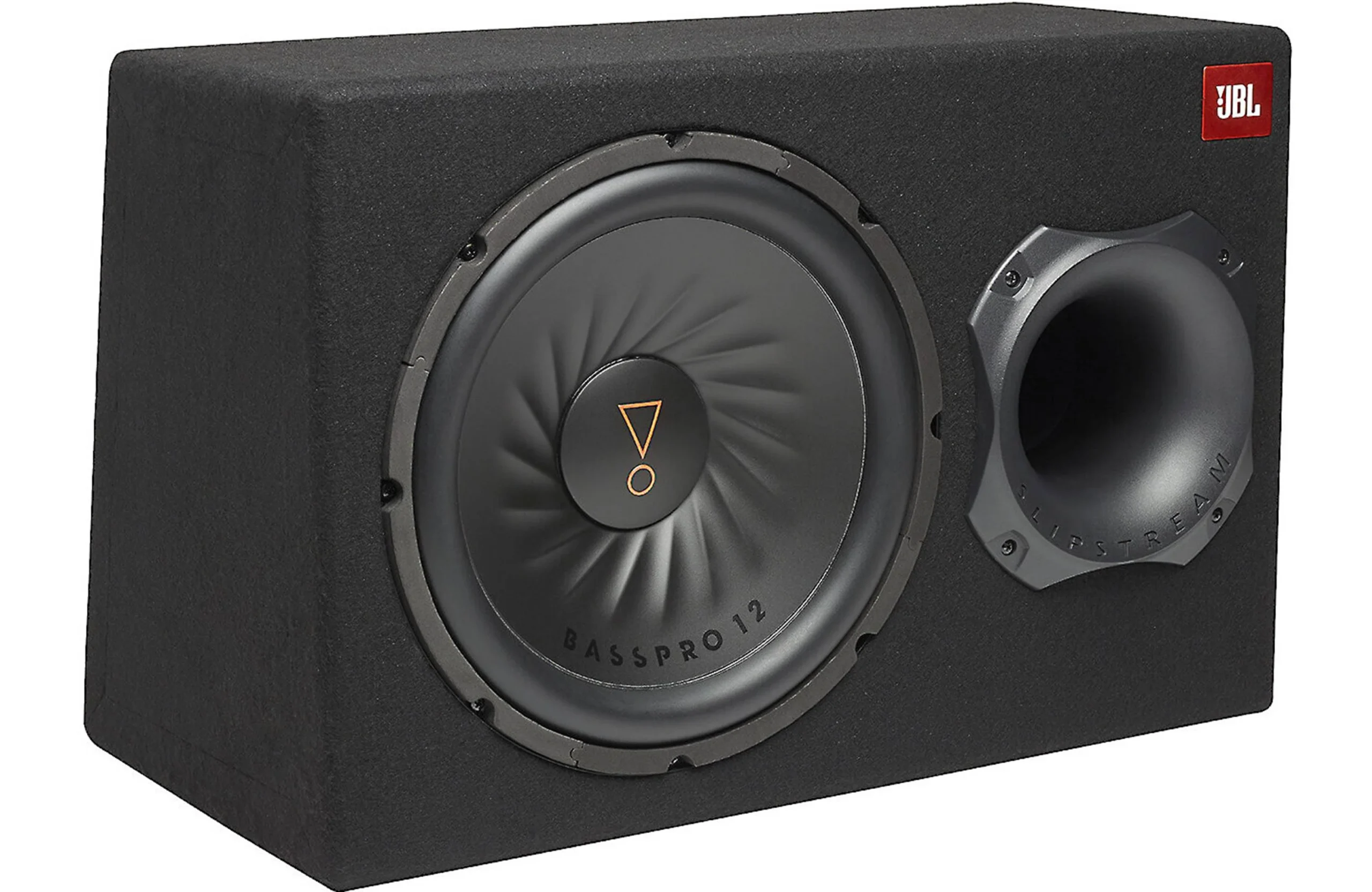
- JBL Pro Series Subwoofer
- Features: Supports SPDIF In via optical cable.
- Pros: High power output, good bass response, suitable for home theaters.
- Cons: Bulky, expensive.