
 (317)516-7460
  service@ampvortex.com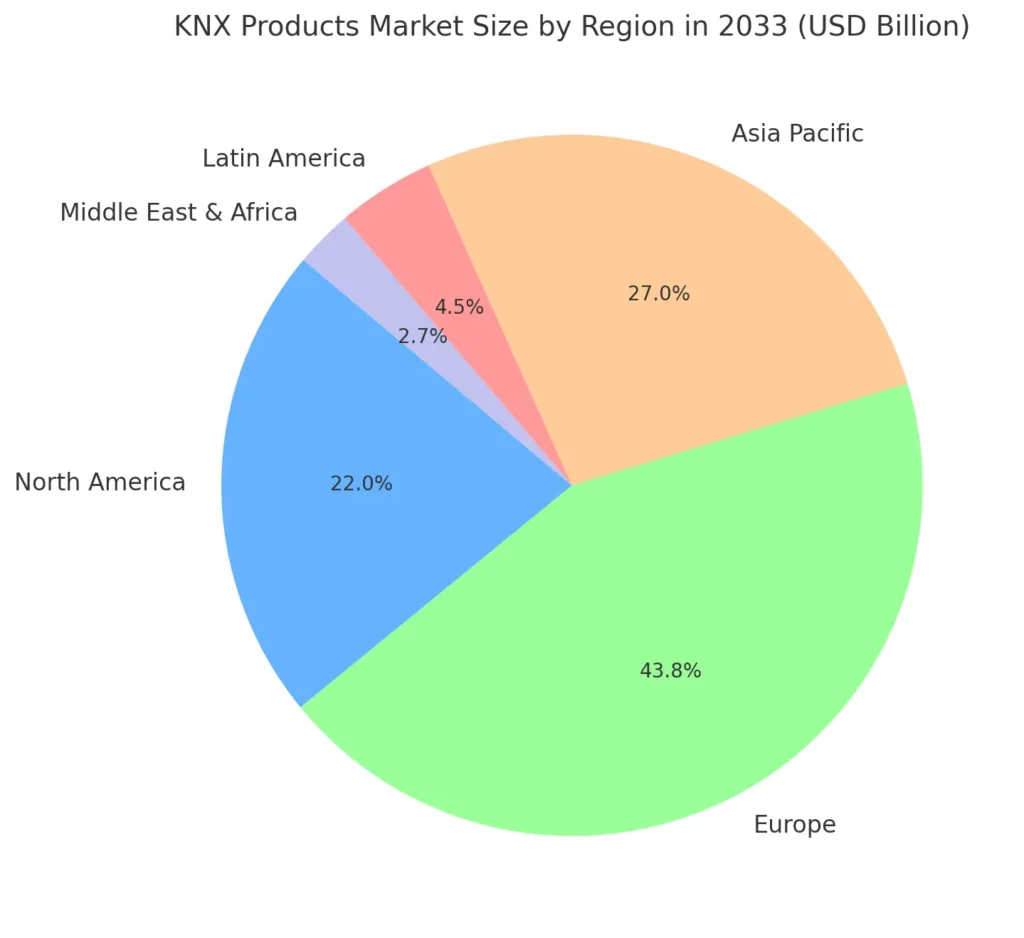
KNX in the US
KNX in the US
- Introduction
The United States is one of the largest and most dynamic smart home markets in the world. Technologies range from Wi Fi devices to proprietary wireless protocols. Among these, KNX, a global open standard for home and building automation, is gradually gaining attention—especially in high-end residential and commercial projects where reliability and interoperability are key.
- What is KNX?
KNX is an internationally recognized standard (ISO/IEC 14543-3) for controlling lighting, HVAC, security, energy management, and other building systems. In the US, KNX is standardized as ANSI/ASHRAE 135, ensuring devices from different manufacturers can work together seamlessly.
- KNX Adoption in the US
Compared with Europe, KNX adoption in the US is smaller but steadily growing:
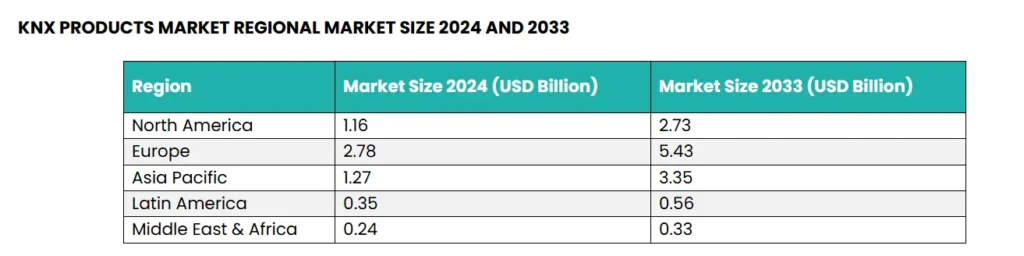
- North America accounts for about 20–23% of the global KNX product market, with the majority of installations in the US.
- KNX is primarily used in commercial buildings, high-end residential projects, and retrofitsrequiring wired or hybrid solutions.
- Competing protocols include Wi-Fi, Zigbee, Z-Wave, and the emerging Matter/Thread standard, which dominate mainstream and DIY markets.
- Market Challenges
- Installation Complexity & Cost: KNX systems usually require professional wiring and setup.
- Protocol Competition: Wireless solutions are more familiar to homeowners and integrators.
- Market Awareness: Many US integrators are still more comfortable with Wi-Fi-based systems.
- Opportunities & Growth Potential
- Commercial and luxury residential projectsvalue KNX’s reliability and scalability.
- Energy management & sustainability initiativesincreasingly require integrated, wired systems.
- Hybrid KNX IP + KNX RFenables a flexible combination of wired reliability and wireless convenience.
- Future Outlook
KNX in the US is expected to grow steadily:
- Increasing awareness among architects, integrators, and building owners.
- Greater integration with emerging standards like Matter.
- Expansion in smart building, smart city, and energy-efficient projects.
- Market Share Illustration (Estimated, 2024 US Smart Home Market)
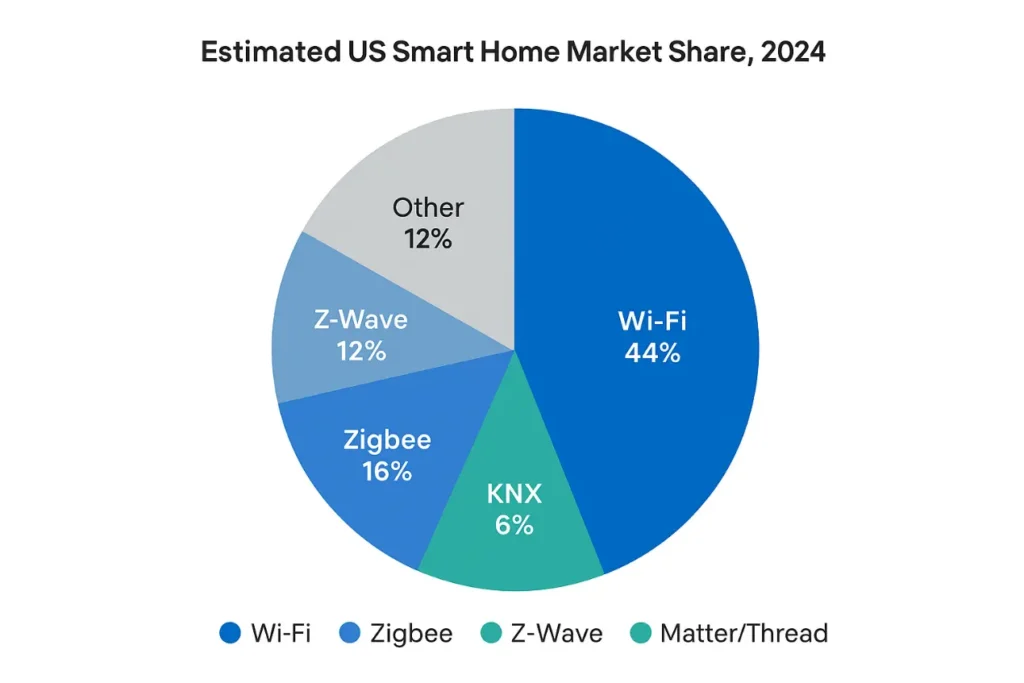
Note: These numbers are based on publicly available market research, industry reports, and expert estimates. KNX’s share in high-end professional projects may be significantly higher than the overall market average.
- Conclusion
While KNX is not yet mainstream in the US, it has established a niche in professional and high-end installations. Its reliability, scalability, and standardization make it a compelling choice for integrators and companies looking for long-term smart building solutions. With hybrid and IP-enabled solutions, KNX adoption in the US is poised to grow in the coming years.