(317)516-7460
  service@ampvortex.com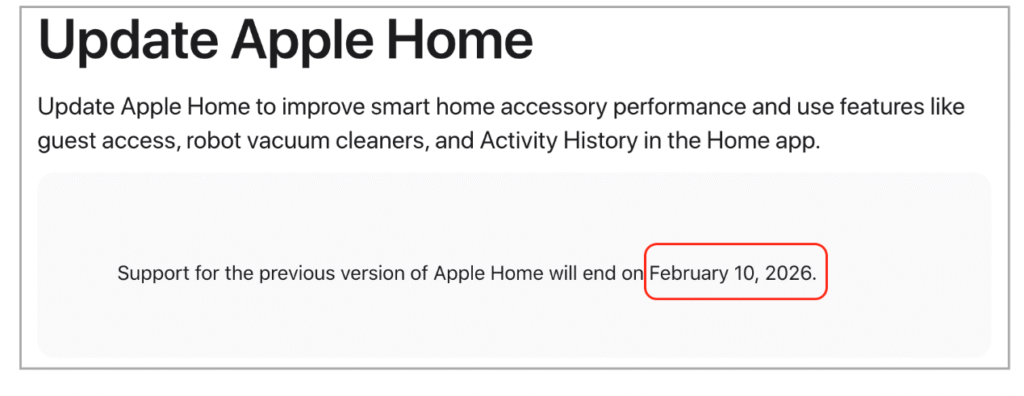
Apple Overhauls Home Architecture| AmpVortex Full Series Achieves Cross-Platform Compatibility
Apple Home’s Pivotal Architecture Upgrade: Farewell to Legacy HomeKit
On February 10, 2026, Apple officially completed a foundational Apple Home architecture overhaul, ending support for all previous versions of the system and fully migrating from the legacy HomeKit framework to a newly designed Matter-centric architecture. This is not a simple feature update, but a root-level redesign for the future of the smart home ecosystem, with deep integration and full native support for the universal Matter connectivity standard as its core goal.
The original HomeKit architecture, born in Apple’s closed ecosystem era, had long hit functional bottlenecks. Since 2022, Apple has positioned Apple Home as a key Matter controller, but a dual-system coexistence model persisted for years—leaving many users who delayed upgrades due to device incompatibility or outdated hardware unable to access new features such as guest access, activity history, and robot vacuum integration. Worse still, Matter-enabled products often faced unstable support on the old platform, resulting in a fragmented user experience. Sustaining two software frameworks alongside Matter proved unsustainable in the long run, making this full architecture shift an inevitable industry move.
Core Changes of the New Apple Home: Home Hub as the Logical Center, Faster and More Stable
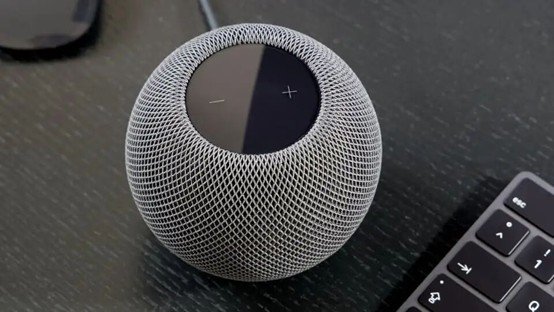
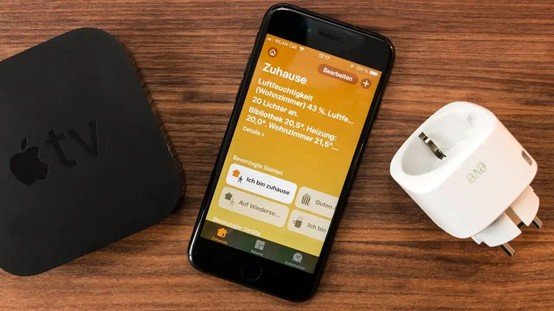
The biggest highlight of Apple’s new Home architecture is the shift of its logical core to dedicated home hubs (Apple TV and HomePod), replacing iPhones and iPads as the primary control centers of the smart home system.
In the legacy HomeKit framework, device status queries and data synchronization relied on iCloud every time the Home app was opened, leading to slow response and unstable connections. The new architecture lets the home hub maintain real-time, direct connections with all paired smart devices, natively handling all core tasks including status checks, automation triggers, and user permission management. This upgrade brings significantly improved stability and faster processing speeds for all smart home operations, laying a solid foundation for the full application of Matter’s advanced features.
Notably, the new Apple Home sets clear minimum OS requirements for connected devices: iOS 16.2, iPadOS 16.2, macOS 13.1, tvOS 16.2, or watchOS 9.2 and above. This change is permanent—older Apple devices that cannot receive system updates will lose access to Apple Home entirely, with no option to revert to the legacy framework. The new architecture also fully supports Matter’s key features, including multiple border routers, diverse Matter bridges, and flexible multi-admin configurations, realizing a truly unified and interoperable smart home experience.
AmpVortex Aligns with Industry Trends: Full Series Supports Four Major Smart Ecosystems (2026.02.10)
Coinciding with Apple’s Apple Home architecture upgrade on February 10, 2026, AmpVortex officially launched full cross-platform smart ecosystem support for its entire product line, perfectly matching the industry’s shift to Matter and the latest updates of major smart home platforms.
AmpVortex Core Supported Models
16060/16060A/16060G | 16100/16100A/16100G
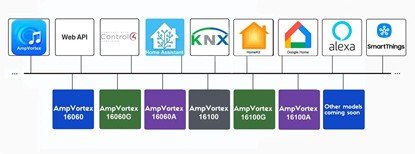
Seamless Integration with Four Global Smart Home Ecosystems
AmpVortex’s full product line now achieves native, seamless integration with Apple Home/HomeKit, Google Home, Amazon Alexa, and Samsung SmartThings—covering all four major global smart home ecosystems. This means users can unify control of AmpVortex’s high-performance audio equipment across all mainstream smart platforms, whether for residential multi-zone audio, immersive home theater, or commercial sound solutions.
Leveraging AmpVortex’s advanced audio engineering, the 16060 and 16100 series support a complete range of high-fidelity audio formats (2.0/2.1 stereo, 5.1/7.1 surround sound, and immersive object-based formats up to 10.4.6 Atmos). The new smart ecosystem integration makes these professional audio capabilities fully accessible via voice control and automated triggers on any supported platform—for example, users can activate a specific audio mode via Amazon Alexa, adjust the volume through Google Home, or link audio playback with other smart devices via Apple Home’s automation rules.
AmpVortex’s Core Advantages: Professional Audio + Cross-Ecosystem Interoperability
AmpVortex’s cross-platform smart integration is not just a simple functional upgrade, but a natural extension of its product ecosystem evolution. The brand’s in-depth technical accumulation in the audio field—including participation in the drafting of DCI digital cinema standards and DCI/SMPTE immersive audio standards—ensures that all smart connectivity features are built on reference-grade audio quality.
At the same time, AmpVortex has established deep partnerships with leading B2B music and distribution companies including Soundtrack, SoundMachine, Custom Channels, and PowerHouse Alliance. Combining these partnerships with the new cross-platform smart ecosystem support, AmpVortex delivers a one-stop turnkey audio solution for both residential and commercial users—realizing seamless integration of high-performance audio hardware, smart home control, and licensed music content.
For users, this means no more fragmentation caused by single-ecosystem audio products; for commercial customers such as hotels, retail stores, and restaurants, it enables flexible audio management across multiple locations and multiple smart platforms, perfectly matching the “every second counts” market demand.